
CNshopper Finds
Spreadsheet
OVER 5000+
WITH QC PHOTOS
Click the images below to browse!









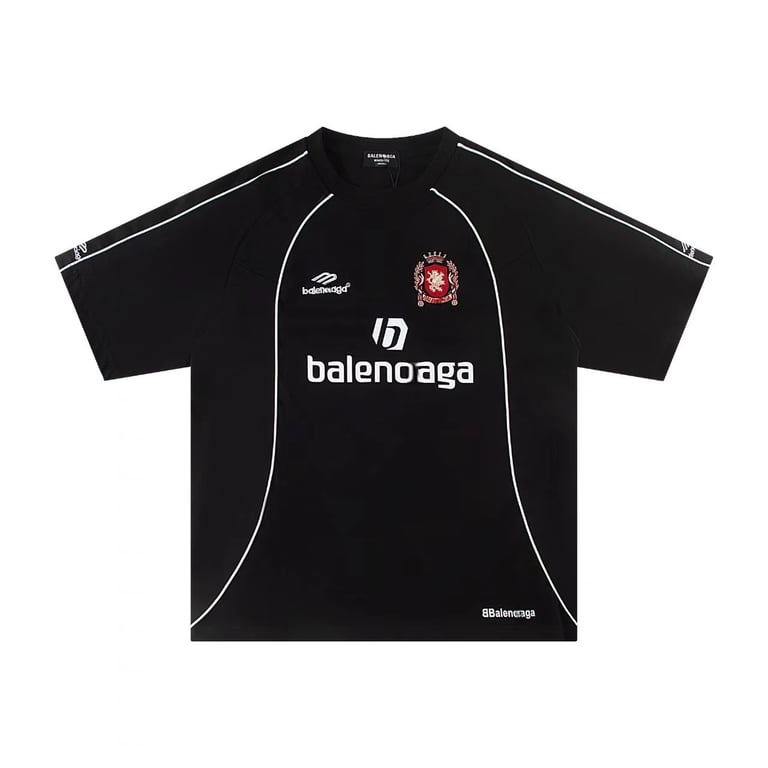
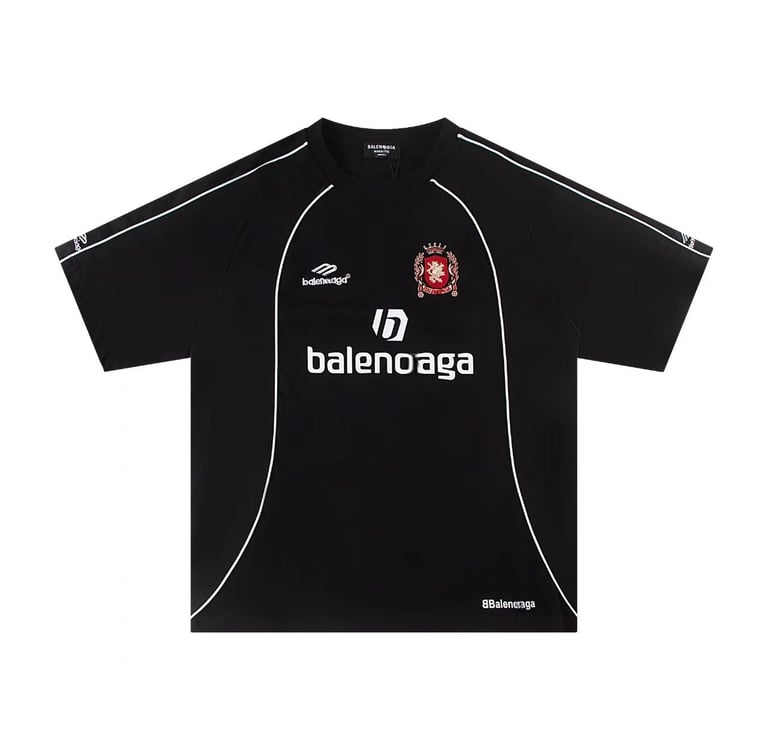



🌐 CNshopper spreadsheet for global product price comparison and structured deal discovery|price benchmarking + value gaps + market comparison
🧭 Introduction
Global cross-border ecommerce pricing is highly fragmented, with identical or similar products often appearing at significantly different price points across platforms such as 1688 and micro-store ecosystems. This creates both opportunities and inefficiencies in identifying true value, as users must manually interpret price differences without a standardized comparison framework.
The CNshopper spreadsheet introduces a structured price comparison layer that organizes cross-market pricing data into consistent benchmarking groups. It helps identify value gaps across suppliers and regions, while CNshopper links provide direct access to pre-structured deal clusters for faster evaluation.
This establishes a clearer foundation for interpreting global price variation.
🧩 Concept definition: role of cross-border price comparison systems
A cross-border price comparison system is designed to standardize how product value is interpreted across different markets. Instead of treating each listing independently, it creates a relational framework where prices can be evaluated within a shared reference structure.
In practice, the CNshopper spreadsheet enables:
Unified comparison of similar products across multiple suppliers
Identification of pricing inconsistencies within the same category
Structuring of deal visibility based on comparable benchmarks
Reduction of isolated price interpretation
This shifts price evaluation from fragmented observation to structured analysis.
🌍 Data sources: 1688 and micro-store pricing structures
Cross-border pricing data is typically drawn from multiple ecosystems that operate under different pricing logic models. Two major sources include large wholesale platforms like 1688 and distributed micro-store retail channels.
These sources differ in:
Bulk pricing vs retail-oriented pricing structures
Supplier-driven vs market-driven price adjustments
Variation in discount transparency and listing formats
Frequency of price updates across platforms
The CNshopper spreadsheet integrates these heterogeneous data streams into a unified structure for consistent comparison.
📊 Pricing logic: market-based value difference modeling
Price differences across markets are not random; they follow structured patterns influenced by supply chain positioning, regional demand, and platform pricing strategies.
Common pricing logic patterns include:
Wholesale-to-retail markup transitions
Regional demand-driven price inflation
Promotional discount cycles across platforms
Supplier-level pricing competition effects
The CNshopper spreadsheet organizes these variables into comparable frameworks, allowing users to interpret value differences more systematically.
🛒 User behavior: identifying low-price and high-value products
In real shopping behavior, users do not evaluate pricing in isolation. Instead, they continuously compare perceived value across multiple listings before making decisions.
Typical behavioral patterns include:
Switching between similar products to verify price differences
Using repeated comparison loops to confirm “best deal” perception
Relying on relative pricing rather than absolute cost
Evaluating value through contextual comparison rather than fixed benchmarks
The CNshopper spreadsheet supports this behavior by presenting structured price clusters that make value gaps more visible and comparable.
🧠 Cross-border pricing structure analysis and ecommerce valuation models
From an ecommerce economics perspective, pricing structures in global markets are shaped by layered variables including supply chain positioning, platform rules, and regional purchasing power differences. These variables create systematic rather than random price divergence.
Key analytical dimensions include:
Structural price dispersion across supply networks
Impact of platform segmentation on perceived value
Role of intermediary markup layers in cross-border trade
Behavioral influence of comparative pricing exposure
The CNshopper spreadsheet operationalizes these models by converting dispersed pricing signals into structured comparison datasets that reflect underlying market logic.
🧾 Conclusion
In cross-border shopping environments, price differences are often visible but not immediately interpretable, as users encounter fragmented listings without consistent reference structures. This leads to repeated comparison cycles where the same products are evaluated multiple times under different contexts.
The CNshopper spreadsheet introduces a structured comparison environment where pricing information is continuously aligned across markets, allowing users to evaluate value differences within a stable relational framework. Instead of treating each price point as an isolated signal, users interact with grouped comparisons that preserve contextual consistency throughout the browsing process.
Within this environment, price discovery becomes less about searching for discounts and more about recognizing structured value relationships embedded across global product ecosystems.


🌐 CNshopper spreadsheet organizing cross-border deals into structured shopping categories|deal grouping + discount logic + product clustering
🧭 Introduction
Cross-border ecommerce promotional ecosystems are increasingly complex due to the fragmented nature of deal distribution across multiple platforms. Products that appear identical often carry different discount labels, pricing references, and promotional logic depending on supplier systems, regional pricing strategies, and marketplace algorithms. As a result, users are frequently exposed to inconsistent deal signals that make it difficult to determine whether a promotion represents genuine value or simply a restructured price presentation.
The CNshopper spreadsheet is designed to address this structural fragmentation by converting scattered promotional listings into organized, category-driven deal clusters. Instead of allowing deals to exist as isolated promotional events, it groups them into structured shopping categories based on pricing behavior, product similarity, and discount logic. Alongside this, CNshopper links function as direct navigation entry points into pre-organized deal clusters, reducing the time required to evaluate dispersed promotional data.
This system builds a structured interpretation layer for global discount environments where pricing signals are otherwise inconsistent and difficult to compare.
🧩 1. Five classification methods for discount products
In cross-border ecommerce, discount products cannot be effectively organized using a single classification logic due to variations in pricing models and promotional strategies. The CNshopper spreadsheet addresses this by applying multiple classification layers that reflect different discount behaviors.
Price-drop based grouping
This method organizes products based on absolute price reduction compared to their original or reference pricing. It is commonly used for identifying straightforward discount events where price movement is clearly defined.
Percentage discount clustering
Products are grouped according to discount intensity ranges such as low (0–20%), medium (20–50%), and high (50%+). This helps users quickly assess perceived deal strength regardless of base price differences.
Supplier-based deal segmentation
Deals originating from the same supplier or factory source are grouped together. This classification highlights pricing consistency or variation within a single supply channel.
Category-driven discount grouping
Products are clustered based on functional categories such as electronics, household items, or fashion goods, ensuring that discount logic remains relevant within comparable product types.
Time-sensitive promotional grouping
Flash sales, seasonal discounts, and limited-time offers are separated from stable pricing structures to prevent temporary promotions from distorting long-term price comparisons.
🔍 2. Identifying real discounts vs artificial price differences
A major challenge in cross-border deal evaluation is distinguishing genuine discounts from artificially constructed price variations. Many platforms display promotional labels that do not reflect meaningful value differences.
Common patterns include inflated original prices that exaggerate discount percentages, minimal actual price reduction despite high discount labels, and inconsistent pricing across identical listings from different suppliers. In some cases, products are relabeled to simulate urgency without changing underlying cost structures.
The CNshopper spreadsheet reduces this ambiguity by structuring pricing data across multiple reference points. It aligns similar products side-by-side, enabling users to compare historical pricing patterns, supplier consistency, and cross-platform variations. This reduces reliance on isolated promotional labels and shifts evaluation toward structured comparison logic.
🌍 3. Cross-platform product grouping logic
Cross-border ecommerce environments often contain duplicated or near-duplicated product listings across multiple platforms. Without a unified system, these items appear unrelated even when they share identical specifications or originate from the same supplier chain.
The CNshopper spreadsheet resolves this through structured grouping logic that merges equivalent products into unified clusters. It maps identical items across platforms into shared entries, standardizes attribute definitions such as size, material, or function, and eliminates redundant listings caused by inconsistent naming conventions. Additionally, it clusters products based on underlying identity rather than surface-level presentation differences.
This allows users to evaluate deals at the product identity level instead of being influenced by platform-specific listing variations.
📊 4. Discount structures across different consumer markets
Discount behavior varies significantly across global consumer markets due to differences in retail strategies, purchasing power, and platform competition models. These variations create multiple overlapping discount systems that are difficult to interpret without structured normalization.
In some markets, high-frequency micro-discounts are applied continuously to maintain consumer engagement. In others, large seasonal discount cycles dominate pricing behavior, creating periodic spikes in promotional activity. Wholesale-driven ecosystems often rely on bundled pricing structures, where discounts increase with volume. Meanwhile, platform-specific ecosystems may apply algorithm-driven promotional visibility rules that affect how discounts are displayed rather than how they are calculated.
The CNshopper spreadsheet organizes these diverse structures into comparable frameworks, allowing users to evaluate discount logic across markets without losing contextual consistency.
🧠 5. Consumer segmentation and pricing strategy research
From a behavioral economics perspective, discount perception is not determined solely by price reduction magnitude but by how clearly the discount structure is presented. Users tend to assign higher value to promotions that are easier to compare, even when absolute savings are similar.
Behavioral patterns observed in cross-border shopping include reliance on relative price comparison rather than absolute evaluation, increased cognitive load when discount information is fragmented, and stronger preference for grouped promotional structures that reduce decision uncertainty. In addition, trust formation is closely tied to transparency in pricing history and consistency in deal presentation.
The CNshopper spreadsheet applies these insights by organizing promotional data into structured clusters that reduce ambiguity and enhance comparative visibility across different deal types.
🧾 Conclusion
Cross-border deal environments are structurally complex not because of insufficient promotional opportunities, but because of inconsistent organization of pricing logic across platforms and suppliers. When discount information is scattered, users are required to repeatedly interpret and re-evaluate similar offers under different contextual conditions, increasing cognitive effort and reducing decision efficiency.
The CNshopper spreadsheet addresses this complexity by consolidating fragmented promotional data into structured shopping categories where deals are grouped according to shared pricing behavior, product identity, and discount logic. Instead of evaluating isolated promotions independently, users interact with organized clusters that make relative value differences immediately visible within a stable comparison framework.
This transforms discount browsing from a fragmented interpretive process into a structured evaluation environment where pricing relationships are embedded within the system rather than reconstructed by the user.