
About CNshopper Spreadsheet
Click the images below to browse!













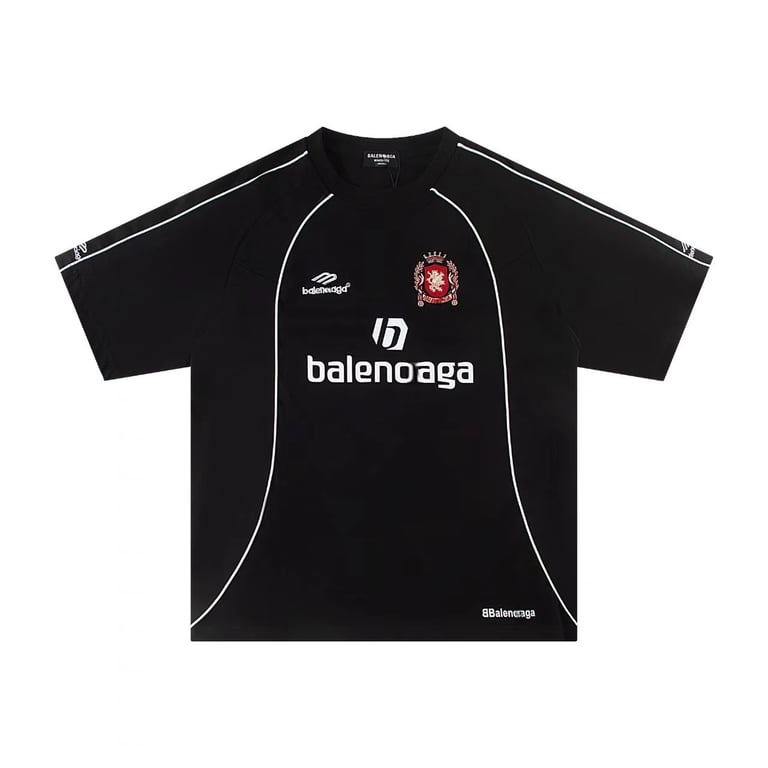
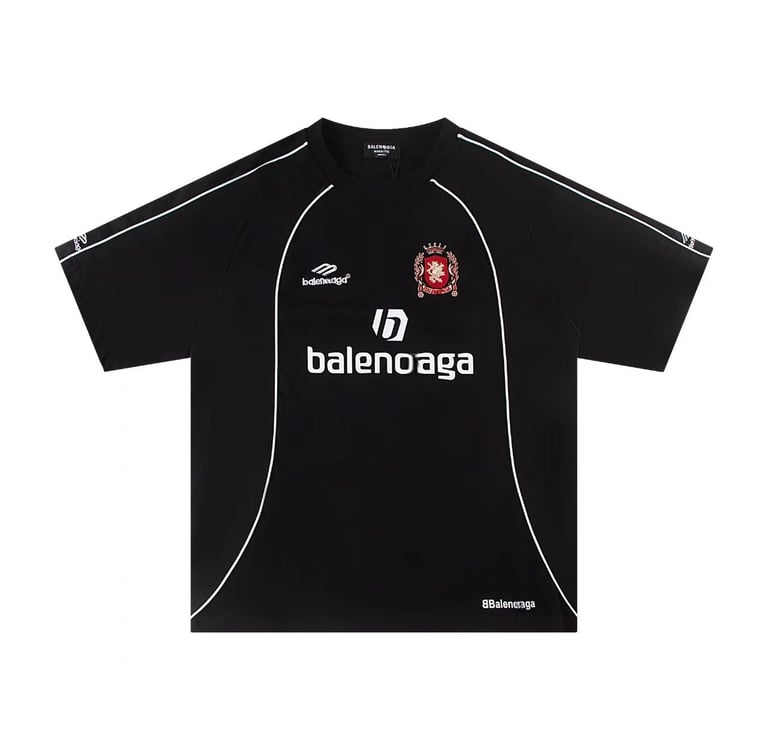



🌐 CNshopper spreadsheet improving global shopping decision-making through price transparency|decision flow + price clarity + comparison logic
🧭 Introduction
In global ecommerce environments, users frequently rely on multiple platforms simultaneously to compare prices for similar or identical products. However, due to inconsistent pricing formats, hidden discounts, and varying supplier strategies, this multi-platform comparison process often results in confusion rather than clarity. Instead of improving decision efficiency, fragmented pricing information increases uncertainty and slows down purchase behavior.
The CNshopper spreadsheet introduces a structured transparency layer that organizes cross-platform pricing data into a unified comparison framework. By aligning similar products under consistent price references, it reduces ambiguity in global deal evaluation. In addition, CNshopper links provide direct entry points into structured price clusters, allowing users to navigate comparison groups without repeated manual searching.
This creates a clearer foundation for decision-making across fragmented shopping environments.
🌍 1. Real-world multi-platform price comparison scenarios
In actual shopping behavior, users rarely rely on a single platform when evaluating cross-border products. Instead, they move between multiple marketplaces, searching for price differences, discounts, and hidden value opportunities.
Typical scenarios include:
Switching between 1688 listings and retail micro-stores for the same product
Rechecking prices across different sellers to confirm “best deal” assumptions
Opening multiple tabs to manually compare near-identical items
Revisiting earlier listings due to uncertainty in price authenticity
The CNshopper spreadsheet intervenes in this behavior by consolidating these dispersed price points into a structured comparison environment, reducing the need for repeated cross-platform switching.
🧩 2. Decision problems caused by fragmented price information
When pricing data is inconsistent, users do not evaluate value directly—they first attempt to reconstruct meaning from fragmented signals. This leads to several decision-making problems.
Key issues include:
Difficulty identifying the real baseline price of a product
Confusion caused by inconsistent discount presentation
Overlapping listings with different pricing interpretations
Repeated re-evaluation of previously viewed options
Loss of decision momentum due to uncertainty
The CNshopper spreadsheet addresses these issues by standardizing price presentation across similar products, allowing users to focus on comparison rather than interpretation.
🔄 3. Building transparent pricing structures through spreadsheet logic
Price transparency in ecommerce is not only about showing numbers clearly, but about structuring those numbers in a way that makes comparison intuitive. Without structure, even visible prices remain difficult to evaluate.
The CNshopper spreadsheet builds transparency by:
Aligning identical products under unified pricing groups
Displaying comparable items within structured clusters
Normalizing price differences across suppliers and platforms
Removing distortion caused by inconsistent listing formats
This transforms pricing from scattered signals into an organized reference system that supports direct evaluation.
📊 4. Optimization of decision flow from comparison to purchase
Decision flow refers to the sequence users follow from discovering a product to making a final purchase decision. In fragmented environments, this flow is often interrupted by repeated comparisons and uncertainty loops.
Common breakdown points include:
Returning to search after failed comparisons
Switching platforms mid-decision
Re-evaluating previously dismissed options
Delaying purchase due to unresolved price ambiguity
The CNshopper spreadsheet improves this flow by maintaining structured comparison continuity, allowing users to progress from evaluation to decision without resetting their decision context repeatedly.
🧠 5. Consumer psychology and decision behavior modeling
From a behavioral perspective, price transparency directly influences perceived confidence in decision-making. When users are exposed to unclear or inconsistent pricing, cognitive load increases, leading to slower decisions or avoidance behavior.
Key behavioral patterns include:
Preference for clearly structured comparison environments
Increased trust when pricing logic is consistent
Reduced decision fatigue in transparent systems
Higher conversion likelihood when comparison effort decreases
The CNshopper spreadsheet supports these psychological mechanisms by reducing interpretive friction and stabilizing the decision environment.
🧾 Conclusion
After users complete cross-border price comparisons, their decision-making process does not simply end with a purchase. Instead, the comparison structure established during browsing continues to influence how value is remembered and evaluated after the decision is made.
Within the CNshopper spreadsheet environment, pricing information remains organized in a way that users do not mentally “discard” after selecting a product. Even after the purchase stage, alternative options and price references remain cognitively accessible, forming a residual comparison layer that affects perceived satisfaction and post-purchase confidence.
This means the system does not only shape how decisions are made, but also how those decisions are mentally retained and evaluated afterward, extending the role of structured pricing beyond the point of transaction itself.